Should I Upgrade My Existing Irrigation System to a Smart Water System?
As gardening enthusiasts, we often find ourselves wrestling with the question of how to keep our plants healthy while conserving water. Traditional irrigation systems have served us well, but advancements in technology have introduced smart water systems that promise efficiency and convenience. In this article, we will explore the pros and cons of upgrading your existing irrigation system to a smart water system, along with some recommended tools to facilitate the transition.
What is a Smart Water System?
A smart water system is an advanced irrigation setup that uses technology to enhance the efficiency of watering your garden. These systems often include features such as remote control, weather-based scheduling, and moisture sensors, allowing for precise water application based on the specific needs of your plants.
Pros of Upgrading to a Smart Water System
- Water Conservation: Smart irrigation systems adjust watering schedules based on real-time weather data, helping to reduce water waste.
- Convenience: You can control your system remotely through smartphone apps, making it easy to manage your garden from anywhere.
- Optimal Plant Health: With moisture sensors, you can ensure that your plants receive just the right amount of water, promoting healthier growth.
- Cost Savings: Although upfront costs may be higher, the reduction in water bills and improved plant health can lead to long-term savings.
Cons of Upgrading to a Smart Water System
- Initial Investment: Smart irrigation systems can be more expensive than traditional systems, which may deter some gardeners.
- Complexity: The technology may be daunting for those who are not tech-savvy, leading to a steeper learning curve.
- Dependence on Technology: If the system fails or experiences connectivity issues, it can lead to problems with your garden's health.
Recommended Smart Water Tools
If you decide to upgrade to a smart water system, here are some tools to consider:
1. Smart Irrigation Controller
These devices replace your traditional irrigation timer and automate watering based on weather conditions.
- Pros:
- Automatically adjusts watering schedules.
- Can be controlled via smartphone apps.
- Cons:
- Higher initial cost compared to traditional timers.
- May require Wi-Fi connectivity for full functionality.
2. Soil Moisture Sensors
These sensors measure the moisture level in your soil, helping to optimize watering schedules.
- Pros:
- Provides accurate soil moisture readings.
- Helps prevent overwatering and underwatering.
- Cons:
- Can be affected by soil type and temperature.
- May need regular calibration for accuracy.
3. Smart Sprinkler Heads
These heads can be programmed to adjust their watering patterns based on different plant types and conditions.
- Pros:
- Customizable watering patterns for different plants.
- Can work in tandem with smart controllers.
- Cons:
- Installation can be complex and may require professional help.
- More expensive than standard sprinkler heads.
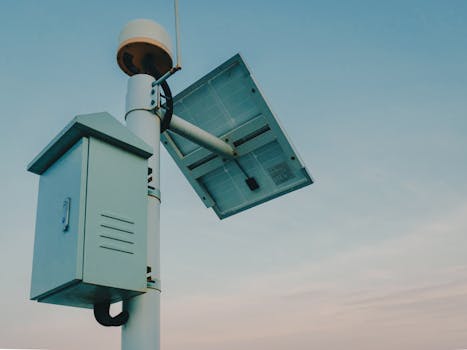
4. Weather Station
A personal weather station can provide localized weather data to your smart irrigation system.
- Pros:
- Provides accurate data specific to your garden's location.
- Helps in making informed watering decisions.
- Cons:
- Initial setup can be complicated.
- Requires maintenance and batteries.
Conclusion
Upgrading to a smart water system can offer numerous benefits for garden watering, including water conservation, convenience, and optimal plant health. However, it's essential to weigh the pros and cons before making a decision. If you are considering this upgrade, resources like Ted Water System can provide valuable plans and insights for your new irrigation system.
FAQ
1. How much does a smart irrigation system cost?
The cost can vary widely depending on the type of system and tools you choose, ranging from a few hundred to several thousand dollars.
2. Can I install a smart irrigation system myself?
Many smart irrigation systems are designed for DIY installation, but some may require professional help depending on complexity.
3. Will a smart irrigation system save me money?
Yes, by reducing water waste and improving plant health, a smart irrigation system can lead to lower water bills and better garden yields.
📚 Related Articles
🔨 Want 16,000+ Water System Plans?
Get instant access to step-by-step plans with blueprints and cut lists.
Get Instant Access →