Introduction
As urban areas continue to grow, water conservation has become increasingly crucial. With limited resources and rising costs, urban dwellers need to implement smart water conservation techniques to save money and protect this vital resource. This article will explore various affordable strategies and materials that can help you conserve water in your urban setting.
Understanding Water Usage in Urban Areas
In urban environments, water usage can be significantly higher due to factors such as population density, commercial activities, and landscaping. According to the United States Environmental Protection Agency (EPA), urban households use approximately 30% of their water outdoors, predominantly for irrigation. Recognizing where water is used most can help you identify areas for conservation.
Smart Water Conservation Techniques
Here are some practical and budget-friendly techniques you can employ to conserve water in urban settings:
1. Install Low-Flow Fixtures
- Showerheads: Replace standard showerheads with low-flow models that use 2.5 gallons per minute or less.
- Faucets: Install aerators on kitchen and bathroom faucets to reduce flow without sacrificing pressure.
- Toilets: Consider replacing older toilets with high-efficiency models that use less water per flush.
2. Rainwater Harvesting
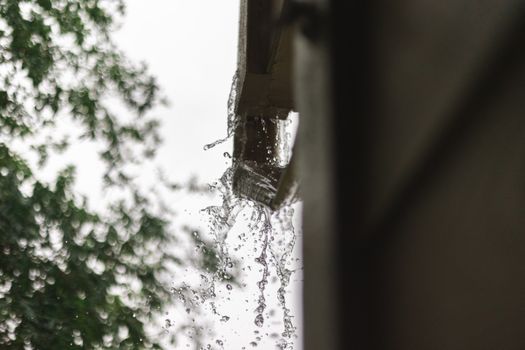
Collecting rainwater is an effective way to conserve water. You can use simple systems like rain barrels to capture rainwater from your roof. This water can then be used for:
- Watering plants and gardens
- Flushing toilets
You can easily build a rain barrel using a large plastic container and a few basic materials. Just make sure to use food-grade barrels and include a screen to keep debris and insects out.
3. Xeriscaping
Xeriscaping is a landscaping technique that conserves water by using drought-resistant plants and minimizing lawn areas. Here are some tips to get started:
- Select Native Plants: Choose plants that thrive in your local climate and require less water.
- Mulching: Apply mulch around plants to retain moisture and reduce evaporation.
- Soil Preparation: Improve your soil's ability to retain moisture by adding organic matter like compost.
4. Smart Irrigation Systems
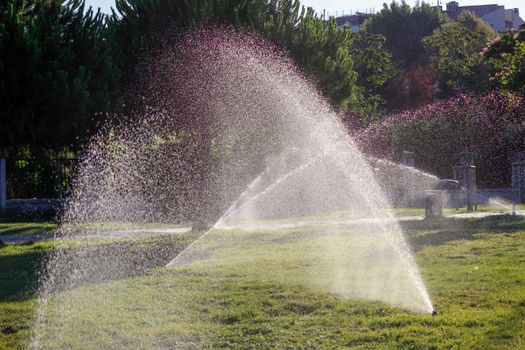
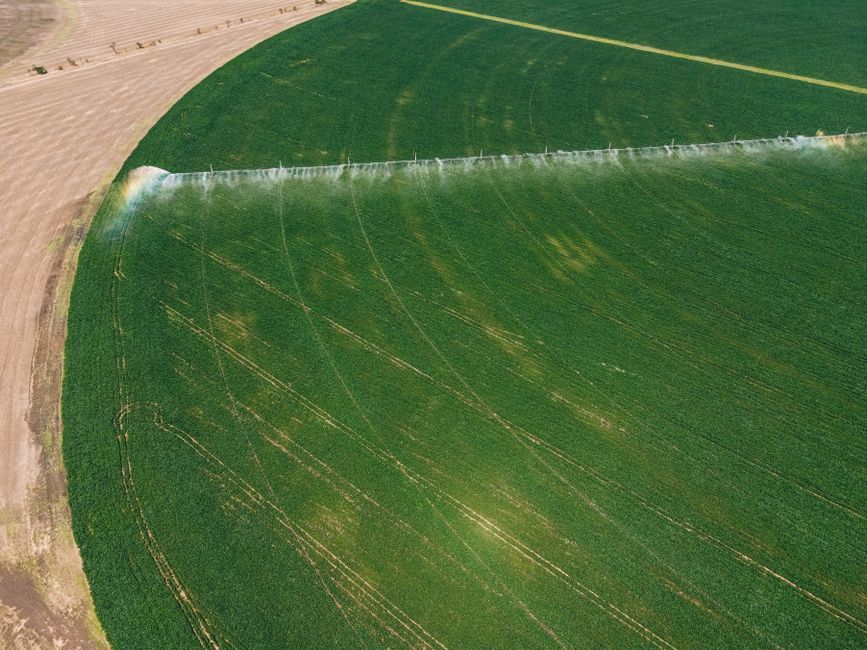
Investing in a smart irrigation system can significantly reduce water usage. These systems adjust watering schedules based on weather conditions and soil moisture levels. If you're on a budget, consider:
- Using a simple timer for your existing sprinkler system.
- Manually watering during cooler parts of the day to minimize evaporation.
5. Greywater Recycling
Greywater refers to gently used water from sinks, showers, and washing machines. You can recycle greywater for irrigation purposes with a simple system. Here are some tips:
- Collection System: Use buckets to collect water from your shower while waiting for it to warm up.
- Direct Drainage: Install a greywater system that redirects water from your laundry or sink to your garden.
Be sure to check local regulations regarding greywater use before implementing this technique.
Cost-Saving Tips for Water Conservation
Implementing water conservation techniques doesn’t have to break the bank. Here are some cost-saving tips to help you get started:
- DIY Projects: Many water-saving projects, like rain barrels and xeriscaping, can be done yourself with minimal investment in materials.
- Shop Smart: Look for sales or second-hand fixtures and appliances that promote water efficiency.
- Monitor Usage: Keep track of your water bills to identify spikes in usage and areas that may need improvement.
Resources for Urban Water Conservation
For further guidance on water conservation techniques, consider checking out Ted Water System. They offer various plans and resources that can help you design an efficient water system tailored to your urban needs.
Conclusion
Conserving water in urban settings is not only essential but can also be budget-friendly. By implementing smart water conservation techniques and using affordable materials, you can significantly reduce your water usage while saving money. Start with simple changes and build upon them as you see the positive impact on both your utility bills and the environment.
FAQ
1. What are some easy ways to start conserving water at home?
Start by fixing leaks, using low-flow fixtures, and collecting rainwater. These small changes can lead to significant savings.
2. Is greywater recycling legal in urban areas?
Greywater recycling regulations vary by location. Check your local laws to see what is permitted.
3. How much money can I save by conserving water?
Savings depend on your current usage and the techniques implemented, but many households report reductions of 20-50% in their water bills after conservation measures.
📚 Related Articles
🔨 Want 16,000+ Water System Plans?
Get instant access to step-by-step plans with blueprints and cut lists.
Get Instant Access →