Introduction to Rain Harvesting
As climate change continues to impact water availability, homeowners are increasingly turning to rain harvesting as a sustainable solution. Not only does this method conserve water, but it can also lead to significant savings on utility bills. In this article, we will explore the best rain harvesting methods, focusing on budget-friendly solutions and affordable materials, while incorporating smart water solutions.
Why Rain Harvesting is Beneficial
Rain harvesting captures rainwater for various uses, including irrigation, toilet flushing, and even drinking (with proper filtration). The benefits include:
- Cost Savings: Reducing your reliance on municipal water can lower your water bills.
- Environmental Impact: Harvesting rainwater helps to reduce stormwater runoff and promotes groundwater recharge.
- Independence: Having your own water supply can be a lifesaver during droughts or water restrictions.
Choosing the Right System
There are various methods to harvest rainwater, and choosing the right system can save you both money and headaches in the long run. Here are some effective methods:
1. Rain Barrels
Rain barrels are one of the simplest and most cost-effective ways to start harvesting rainwater. Here's how to set one up:
- Materials: Purchase a food-grade rain barrel from a local hardware store or online. You can often find used barrels at a lower cost.
- Installation: Position the barrel under a downspout. Cut the downspout to fit, and attach a diverter to channel water into the barrel.
- Maintenance: Keep the barrel covered to prevent mosquito breeding and check for clogs in the downspout.
2. Cisterns
Cisterns are larger storage systems that can hold more water. They can be above or below ground.
- Affordability: Consider using recycled materials, such as old tanks or containers, to build your cistern.
- Connection: Similar to rain barrels, connect the cistern to your downspouts. Ensure proper filtration to keep the water clean.
3. Green Roofs
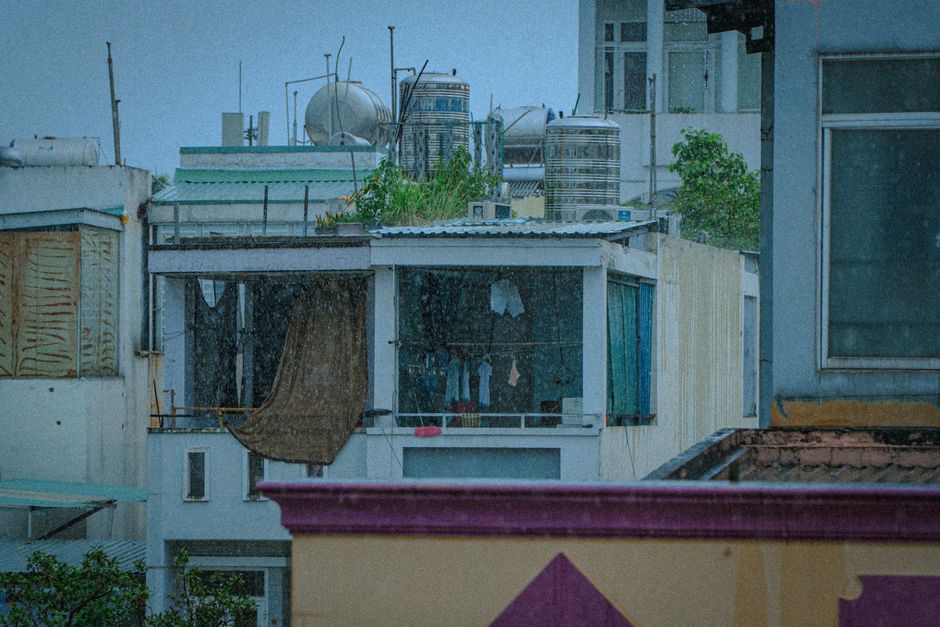
A green roof can help capture rainwater while providing insulation for your home.
- Cost: Use native plants that require less water and are less expensive to maintain.
- DIY Approach: Create a simple green roof on a shed or garage to reduce costs.
Smart Water Solutions for Enhanced Efficiency
Incorporating smart water solutions can help you manage your rain harvesting system more effectively.
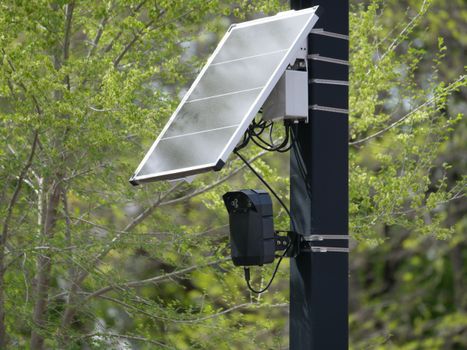
1. Smart Sensors
Install moisture sensors in your garden to determine when to irrigate. This can help you use your harvested rainwater more efficiently.
2. Automated Systems
Consider using a smart irrigation system that can automatically switch between rainwater and municipal water, ensuring your plants receive adequate moisture without waste.
Cost-Saving Tips
Implementing rain harvesting can be done on a budget. Here are some cost-saving tips:
- Buy Used: Look for second-hand rain barrels or cisterns. Many homeowners sell their unused systems at garage sales or online marketplaces.
- DIY Components: Build your own rain harvesting system using affordable materials like PVC pipes, old containers, and simple tools.
- Local Resources: Check with local governments or environmental organizations, as they often provide incentives or resources for rain harvesting.
Planning Resources
For those looking to delve deeper into rain harvesting, Ted Water System offers excellent plans and resources to help you design a system that fits your budget and needs.
Conclusion
Rain harvesting is not only a practical solution for water conservation but also a smart way to reduce household expenses. By utilizing affordable materials, smart water solutions, and planning resources like Ted Water System, homeowners can create an efficient and cost-effective rain harvesting system.
FAQ
1. Is rainwater safe to drink?
Rainwater can be safe to drink if it is properly filtered and treated. It is recommended to consult local guidelines and consider using appropriate filtration systems.
2. How much rainwater can I realistically collect?
The amount of rainwater you can collect depends on your roof size and rainfall amounts. A general estimate is about 600 gallons for every inch of rain on a 1,000 square foot roof.
3. Do I need a permit to install a rain harvesting system?
Permit requirements vary by location. It is best to check with your local government to determine if you need a permit for your rain harvesting system.
📚 Related Articles
🔨 Want 16,000+ Water System Plans?
Get instant access to step-by-step plans with blueprints and cut lists.
Get Instant Access →