Introduction
Water scarcity is a pressing issue in many regions, especially in drought-prone areas. As gardeners, understanding how to manage water resources efficiently is crucial. Smart water systems provide a solution by optimizing water usage while ensuring plants receive the hydration they need. This article explores the role of smart water systems in drought-prone areas, common mistakes to avoid, and troubleshooting tips to keep your garden thriving even in dry conditions.
Understanding Smart Water Systems
Smart water systems integrate technology to monitor and manage water use in gardens and landscapes. These systems typically include:
- Soil Moisture Sensors: Measure moisture levels in the soil to determine when watering is necessary.
- Weather Data Integration: Uses real-time weather data to adjust watering schedules based on rainfall and temperature.
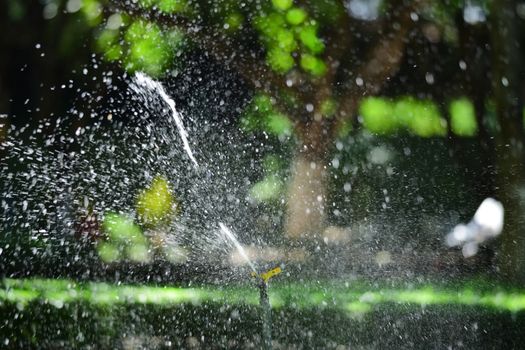
- Automated Irrigation: Automatically waters plants based on the data collected, ensuring optimal hydration.
- Mobile Apps: Allow homeowners to monitor and control their watering systems remotely.
The Importance of Smart Water Systems in Drought-Prone Areas
In regions that experience frequent droughts, efficient water management becomes vital. The role of smart water systems in these areas includes:
- Resource Conservation: Smart systems help conserve water by preventing over-watering, which is a common issue in traditional irrigation methods.
- Cost Savings: By using water more efficiently, homeowners can reduce their water bills significantly.
- Plant Health: Plants receive the right amount of water, leading to healthier growth and reduced stress during dry spells.
- Environmental Impact: Conserving water contributes to the overall health of the ecosystem and helps maintain local water supplies.
Common Mistakes to Avoid with Smart Water Systems
While smart water systems offer numerous benefits, there are common mistakes that can hinder their effectiveness. Here are some pitfalls to avoid:
1. Ignoring Soil Conditions
One of the most critical aspects of garden watering is understanding the soil type and its moisture retention abilities. A common mistake is relying solely on sensors without considering soil conditions.
- Fix: Conduct a soil test to determine the type of soil in your garden. This will help you set the sensors more accurately and adjust watering schedules accordingly.
2. Over-Reliance on Technology
While technology can significantly enhance watering efficiency, it is not infallible. Relying entirely on automated systems can lead to issues if the technology fails.
- Fix: Regularly check the functionality of your smart water system. Ensure sensors are working properly and that the software is updated. Manual checks can help you catch any potential failures early.
3. Incorrect Sensor Placement
Placing soil moisture sensors improperly can lead to inaccurate readings, causing either over-watering or under-watering.
- Fix: Position sensors at varying depths and locations in your garden. This will provide a more accurate representation of moisture levels across different areas.
4. Neglecting Seasonal Changes
Drought-prone areas experience seasonal variations that can affect watering needs. A common mistake is not adjusting the watering schedule based on changing weather conditions.
- Fix: Utilize the weather data integration feature of your smart water system to adjust watering schedules seasonally. Keep an eye on forecasts and modify settings accordingly.
5. Not Utilizing Resources
Many homeowners may not take full advantage of available resources, such as guides and plans.
- Fix: Check out resources like Ted Water System for comprehensive planning and setup guides. These can provide valuable insights into optimizing your system for drought conditions.
Troubleshooting Tips for Smart Water Systems
If you encounter issues with your smart water system, here are some troubleshooting tips:
1. Sensor Malfunction
If the system does not seem to be watering correctly, first check the sensors. Ensure they are clean and free from debris.
- Tip: Clean the sensor probes regularly and replace batteries if they are wireless.
2. Connectivity Issues
Sometimes, smart systems may lose connectivity due to Wi-Fi issues.
- Tip: Check your router and ensure the system is within range. Consider Wi-Fi extenders if necessary.
3. Software Glitches
Software updates can occasionally lead to glitches in the system.
- Tip: Restart the system to refresh connections and settings. Always keep the software updated to the latest version.
Conclusion
Smart water systems play a crucial role in managing water resources in drought-prone areas. By understanding their function, avoiding common mistakes, and applying troubleshooting tips, you can create a sustainable garden that thrives even in the driest conditions. Remember to utilize resources like Ted Water System to help plan your garden’s watering needs effectively.
FAQ
1. What are the benefits of using a smart water system?
Smart water systems conserve water, reduce costs, promote healthy plant growth, and minimize environmental impact.
2. How do I choose the right smart water system for my garden?
Consider factors such as garden size, types of plants, budget, and available technology features when selecting a system.
3. Can I use a smart water system in a small garden?
Absolutely! Smart water systems can be scaled down for small gardens while still providing efficient watering solutions.
📚 Related Articles
🔨 Want 16,000+ Water System Plans?
Get instant access to step-by-step plans with blueprints and cut lists.
Get Instant Access →