Introduction
As climate change continues to impact our environment, effective water conservation has become increasingly important. One of the most efficient methods of conserving water is through rain harvesting. By maximizing your smart water box, you can collect rainwater and use it for various purposes, significantly reducing your water bill and environmental footprint. This article will provide you with tips on how to build and optimize your smart water box on a budget.
Understanding Your Smart Water Box
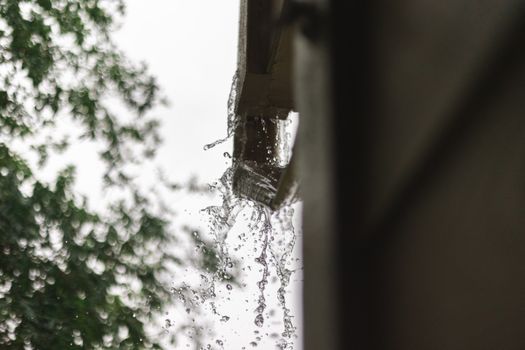
A smart water box is a modern rainwater harvesting system designed to collect, filter, and store rainwater for later use. These systems can be connected to your downspouts and typically include features like filtration and overflow management. The main goal is to utilize rainwater efficiently, making the best use of the resources available.
Choosing Affordable Materials
When building your smart water box, the choice of materials can significantly affect your budget. Here are some cost-effective options:
- Plastic Storage Containers: These can often be found at local hardware stores or online at a reasonable price. Look for large, durable containers that can withstand outdoor conditions.
- Rain Barrels: Repurposed barrels from food-grade sources can be an economical choice for water storage. Many communities have programs to provide barrels at a low cost.
- Mesh Screens: To filter debris from rainwater, use inexpensive mesh screens. These can be found at gardening stores or online.
- PVC Pipes: Use PVC pipes to create a downspout connection to your smart water box. They are affordable and easy to work with.
Designing Your Smart Water Box
Once you have your materials, it's time to design your smart water box. Here are some tips for creating an efficient system:
- Size Matters: Determine the size of your box based on your roof's drainage area and the average rainfall in your region. A larger box will collect more water but will also require more materials.
- Elevation: Position your smart water box on a slight incline to facilitate water flow. This can also help with drainage when the box is full.
- Overflow Management: Include an overflow pipe to redirect excess water away from your foundation. This can prevent potential flooding and damage.
- Access Points: Ensure easy access for maintenance. A removable lid or access hatch will allow for cleaning and monitoring of the system.
Enhancing Efficiency with Add-Ons
Consider adding features to your smart water box to enhance its efficiency:
- First Flush Diverter: This system helps divert the initial dirty runoff from the roof, allowing cleaner water to enter the box. While commercial models exist, you can create a DIY version with simple materials.
- Automatic Irrigation Systems: Connect your smart water box to a drip irrigation system to utilize the harvested rainwater effectively. This reduces water waste and ensures your plants receive consistent moisture.
- Water Level Indicator: Install a simple water level indicator using a float and a PVC pipe to monitor the water level in your box easily.
Maintenance Tips for Your Smart Water Box
To ensure your smart water box remains effective, regular maintenance is crucial. Here are some budget-friendly tips:
- Clean the Filters: Periodically check and clean the mesh screens and filters to ensure proper water flow.
- Inspect for Leaks: Regularly inspect the box for any leaks or cracks, especially after heavy rainfall.
- Check Connections: Ensure that all pipes and fittings are secure and free from blockages.
- Seasonal Maintenance: Before winter, ensure the system is ready for colder weather. Drain the box if necessary and secure it to prevent damage from freezing temperatures.
Using Harvested Rainwater Effectively
Once you've maximized your smart water box for rain harvesting, it's essential to use that water wisely. Here are some practical applications:
- Garden Watering: Use harvested rainwater for watering your garden and landscaping, which can save you a significant amount on your water bill.
- Cleaning: Use the water for washing your car or cleaning outdoor furniture.
- Flushing Toilets: If you have a plumbing system that allows for it, consider using rainwater to flush toilets.
Conclusion
Maximizing your smart water box for effective rain harvesting is not only an environmentally responsible choice but also a budget-friendly one. By using affordable materials, enhancing the system with cost-effective features, and practicing regular maintenance, you can make the most of your rainwater collection efforts. For further resources and plans, consider checking out Ted Water System, which provides a wealth of information for DIY enthusiasts.
FAQs
1. Can I use rainwater for drinking?
It is possible to use harvested rainwater for drinking, but you must ensure proper filtration and treatment to meet safety standards.
2. How much rainwater can I collect?
The amount of rainwater you can collect depends on the size of your roof and the average rainfall in your area.
3. Is rainwater harvesting legal?
In many places, rainwater harvesting is legal, but regulations vary by region. It's essential to check local laws before setting up a system.
📚 Related Articles
🔨 Want 16,000+ Water System Plans?
Get instant access to step-by-step plans with blueprints and cut lists.
Get Instant Access →