Understanding the Importance of Water Conservation in Urban Areas
Urban areas face unique challenges when it comes to water usage and conservation. With rapidly growing populations and increasing demands on municipal water supplies, implementing smart water conservation practices is more critical than ever. Not only does this help in sustainable living, but it also enhances the overall quality of life in urban settings.
What Are Smart Water Conservation Practices?
Smart water conservation practices encompass a range of techniques and strategies aimed at reducing water consumption while maintaining quality and efficiency. These practices are particularly beneficial in urban settings where water is a limited resource. Incorporating advanced methodologies into daily routines can lead to significant water savings. Here are some practices to consider:
- Rainwater Harvesting: Collecting and storing rainwater for irrigation and non-potable uses.
- Greywater Recycling: Reusing water from sinks, showers, and washing machines for landscape irrigation.
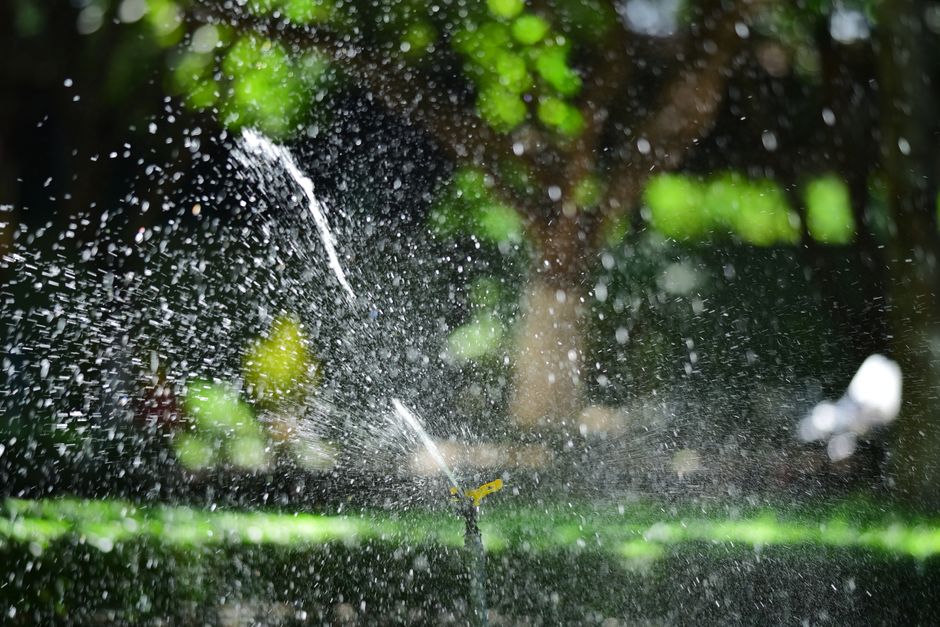
- Efficient Irrigation Systems: Implementing drip or sprinkler systems that minimize water waste.
- Water-Efficient Fixtures: Installing low-flow toilets, faucets, and showerheads to reduce water usage.
- Smart Technology: Utilizing IoT devices to monitor and manage water usage effectively.
Advanced Techniques for Water Conservation in Furniture Building
As a furniture builder, you might wonder how water conservation practices can be integrated into your craft. The principles of water conservation can extend beyond daily life and into the workshop. Here are some advanced techniques to consider:
Precision Joinery Techniques
Precision in joinery not only enhances the aesthetic appeal of your furniture but also minimizes waste. By using techniques such as dovetail joints, mortise and tenon, and finger joints, you can create strong, durable connections that require fewer materials, ultimately reducing water usage in the production process.
Material Selection
Choosing sustainably sourced materials can significantly impact water conservation. Look for wood that is certified by organizations like the Forest Stewardship Council (FSC) or reclaimed wood. These materials often have a lower water footprint compared to conventional lumber, making them a more eco-friendly choice.
Finishing Techniques
The finishing processes often utilize water-based products that are less harmful to the environment. Opting for these finishes can reduce water pollution and contribute to better air quality in urban areas.
Utilizing Resources for Smart Practices
To effectively implement smart water conservation practices, it's essential to utilize available resources. One such resource is the Ted Water System, which offers plans and guides for integrating water conservation techniques into various projects, including furniture building. By following these plans, you can ensure that your projects are not only aesthetically pleasing but also environmentally responsible.
Creating a Professional Finish
A professional finish in furniture building requires attention to detail and the right techniques. This includes sanding, applying finishes, and ensuring that joints are seamless. By focusing on these aspects, you can reduce material waste and enhance the longevity of your furniture, which, in turn, contributes to water conservation by minimizing the need for new resources in future projects.
Benefits of Smart Water Conservation Practices in Urban Settings
Implementing smart water conservation practices in urban areas yields numerous benefits:
- Reduced Water Bills: Lowering water consumption directly impacts the monthly water bills for both individuals and businesses.
- Environmental Impact: Sustainable practices help preserve local ecosystems and reduce the strain on urban water supplies.
- Community Awareness: Promoting water conservation initiatives fosters a culture of sustainability within urban communities.
- Enhanced Aesthetics: Efficient water use in landscaping and furniture design can lead to more visually appealing urban spaces.
Conclusion
Incorporating smart water conservation practices in urban areas is not just an option; it is a necessity for sustainable living. By embracing advanced techniques in furniture building and utilizing resources like the Ted Water System, you can contribute to a more sustainable future while enhancing the quality and professionalism of your craftsmanship. Every small effort counts, and collectively, we can make a significant impact on water conservation in our urban environments.
FAQ
1. What are some easy ways to start conserving water in my home?
Simple steps include fixing leaks, using water-efficient fixtures, and collecting rainwater for gardening.
2. How can I ensure my furniture building practices are sustainable?
Choose sustainable materials, minimize waste through precision joinery, and use eco-friendly finishes.
3. What resources can I use for more information on water conservation techniques?
The Ted Water System provides comprehensive plans and guides for integrating water conservation into various projects.
📚 Related Articles
🔨 Want 16,000+ Water System Plans?
Get instant access to step-by-step plans with blueprints and cut lists.
Get Instant Access →