Best Water Conservation Techniques for Eco-Friendly Homeowners
In today's world, conserving water is more crucial than ever. Eco-friendly homeowners are increasingly seeking ways to minimize their water usage while maintaining a comfortable and functional living space. This article will explore the best water conservation techniques, common mistakes to avoid, and troubleshooting tips to help you achieve your sustainability goals.
Understanding Water Conservation
Water conservation refers to the efficient use of water resources to reduce wastage. For eco-friendly homeowners, it involves adopting practices that not only save water but also promote a sustainable lifestyle. Here are some effective water conservation techniques:
1. Fix Leaks Promptly
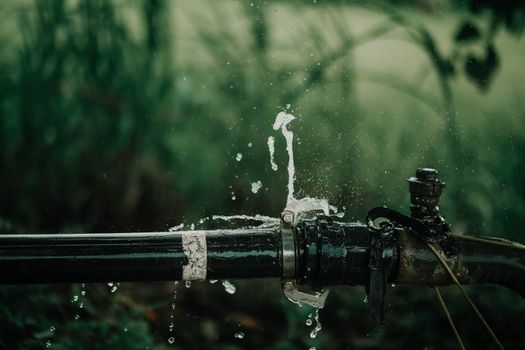
One of the most significant sources of water waste in homes is leaks. A dripping faucet or a running toilet can waste gallons of water daily. Here are some tips to avoid this common mistake:
- Check regularly: Inspect your faucets, pipes, and toilets for leaks.
- Use dye tests: For toilets, add food coloring to the tank. If the color seeps into the bowl, you have a leak.
- Call a professional: If you are unable to fix a leak yourself, don’t hesitate to call a plumber.
2. Install Water-Saving Fixtures
Installing water-saving fixtures can significantly reduce your water consumption. Here are some common mistakes to avoid:
- Choosing low-quality fixtures: Invest in high-quality, certified fixtures that meet water-saving standards.
- Ignoring installation guidelines: Ensure that fixtures are properly installed to maximize their efficiency.
- Forgetting to maintain: Regularly clean and maintain your fixtures to prevent clogs and inefficiencies.
3. Use Efficient Appliances
Incorporating energy-efficient appliances can help you save both water and energy. When selecting appliances, keep these tips in mind:
- Look for the WaterSense label: Appliances that meet EPA standards for water efficiency.
- Avoid oversized appliances: Choose appliances that match your household needs to prevent unnecessary water use.
- Read the user manual: Follow the manufacturer’s instructions for optimal performance.
4. Collect Rainwater
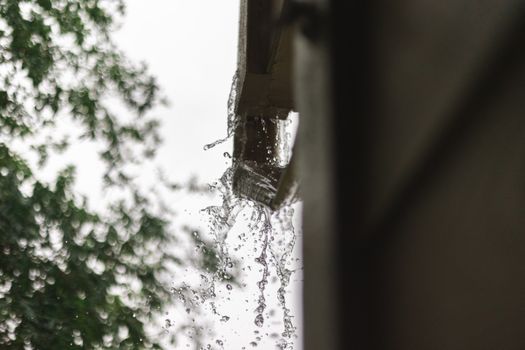
Rainwater harvesting is an excellent way to conserve water. Here’s how to avoid common pitfalls:
- Use appropriate barrels: Ensure barrels are made of food-grade materials to prevent contamination.
- Install gutters correctly: Make sure gutters direct water into the barrels efficiently.
- Check local regulations: Some areas have specific laws regarding rainwater harvesting.
5. Landscape Wisely
Landscaping can significantly impact your water consumption. Here are some landscaping tips to help you conserve water:
- Choose drought-resistant plants: Native plants typically require less water and maintenance.
- Group plants by watering needs: This technique minimizes water waste by ensuring that plants with similar needs are watered together.
- Use mulch: Mulching around plants can help retain moisture in the soil.
6. Practice Smart Watering Techniques
Knowing when and how to water can make a significant difference in water usage. Here’s how to avoid common mistakes:
- Water during cool times: Early morning or late evening is the best time to water to reduce evaporation.
- Use a timer: Set a timer to prevent overwatering.
- Don’t water on windy days: Wind can carry water away from your plants, leading to wastage.
7. Educate Your Household
It's essential to involve everyone in your household in water conservation efforts. Here are some tips:
- Hold regular discussions: Talk about the importance of water conservation.
- Encourage mindful habits: Remind everyone to turn off the tap while brushing teeth or washing hands.
- Lead by example: Show your commitment to conservation practices.
8. Resources for Further Learning
For those looking to take their water conservation efforts to the next level, consider exploring resources like Ted Water System. They provide extensive plans and guidelines for implementing water-saving techniques in your home.
Conclusion
Water conservation is vital for eco-friendly homeowners. By implementing these techniques and avoiding common mistakes, you can significantly reduce your water usage and contribute to a more sustainable future. Remember, every drop counts!
FAQ Section
1. What are some simple ways to reduce water usage daily?
Simple ways include fixing leaks, taking shorter showers, using a broom instead of a hose to clean driveways, and turning off the tap while brushing your teeth.
2. How can I tell if my home has hidden leaks?
Monitor your water bill for sudden increases, check your water meter before and after a few hours of non-usage, and inspect your plumbing fixtures, toilets, and appliances for visible leaks.
3. Are rain barrels worth the investment?
Yes, rain barrels can significantly reduce your water bills and provide a free source of water for irrigation, making them a worthwhile investment for eco-conscious homeowners.
📚 Related Articles
🔨 Want 16,000+ Water System Plans?
Get instant access to step-by-step plans with blueprints and cut lists.
Get Instant Access →