Introduction
In the world of water conservation, the debate between innovative technology and traditional methods is ongoing. On one side, we have the Smart Water Box, a modern solution designed for efficiency and convenience. On the other, traditional water-saving systems, which have proven effective over decades. In this article, we will delve into the intricacies of these systems and explore which might be better for your water conservation goals, especially through the lens of furniture building and joinery.
Understanding Smart Water Boxes
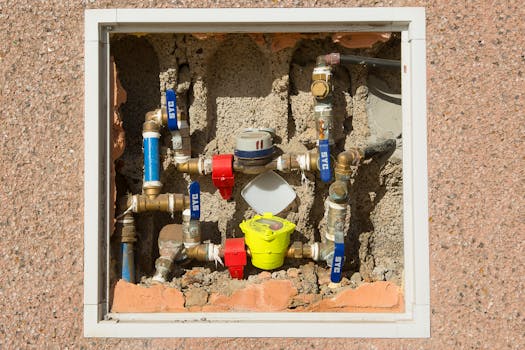
Smart Water Boxes represent a leap forward in water conservation technology. These devices are equipped with sensors and smart functionalities that allow them to monitor water usage, detect leaks, and optimize water flow to various fixtures. Here are some key features:
- Real-time Monitoring: Smart Water Boxes provide data on water usage in real time, allowing homeowners to adjust their consumption patterns accordingly.
- Leak Detection: These systems can identify leaks early, preventing water wastage and costly repairs.
- Automated Control: They can be programmed to regulate water usage during peak times, thus reducing pressure on municipal systems and lowering costs.
Joinery and Precision in Smart Water Boxes
When integrating Smart Water Boxes into your furniture designs, precision is key. The joinery techniques used to house these devices need to accommodate their technological components without compromising aesthetics. For example, consider using:
- Mortise and Tenon Joints: These provide a strong and stable connection, ideal for enclosing sensitive technology.
- Doweling: This technique ensures precise alignment of components, crucial for maintaining the integrity of smart devices.
- Mitred Joints: A professional finish can be achieved using mitred joints, providing a seamless look while housing the Smart Water Box.
Exploring Traditional Water Saving Systems
Traditional water-saving systems have stood the test of time, relying on straightforward mechanisms to reduce water consumption. Common examples include low-flow fixtures, dual-flush toilets, and rainwater harvesting systems. Here are some advantages of traditional systems:
- Cost-Effective: Traditional systems often have lower initial costs compared to smart technologies.
- Reliability: With fewer moving parts and no reliance on electricity or Wi-Fi, traditional methods can be more dependable.
- Ease of Installation: Many traditional water-saving systems can be installed easily, making them accessible for DIY enthusiasts.
Joinery Techniques for Traditional Systems
Incorporating traditional water-saving systems into your furniture design can also benefit from advanced joinery techniques. For instance:
- Box Joints: These are perfect for creating durable and visually appealing storage solutions for rainwater barrels.
- Butt Joints: A simple yet effective method, butt joints can be used for straightforward installations with traditional fixtures.
- Finger Joints: Ideal for constructing larger pieces like cabinetry to house rainwater systems, providing both strength and beauty.
Comparative Analysis: Smart vs. Traditional
When deciding between Smart Water Boxes and traditional systems, consider the following factors:
- Cost: Smart Water Boxes may have a higher upfront cost but can save money over time through efficiency. Traditional systems typically have lower installation costs.
- Complexity: Smart systems require more technical knowledge for installation and maintenance, while traditional systems are generally straightforward.
- Effectiveness: Smart Water Boxes offer advanced monitoring capabilities, which can lead to greater water savings compared to standard fixtures.
- Integration with Furniture: Both systems can be integrated into furniture designs, but Smart Water Boxes may require more precise joinery for housing technical components.
Planning Resources
When considering a water conservation system for your home or furniture project, resources like Ted Water System can provide invaluable plans and guidance. Whether you choose a Smart Water Box or a traditional system, having a solid plan can ensure successful implementation.
Conclusion
Ultimately, the choice between Smart Water Boxes and traditional water-saving systems will depend on your specific needs, budget, and willingness to embrace technology. Both approaches offer valuable benefits for water conservation, but understanding the nuances of joinery and precision in furniture design can elevate your project to new heights.
FAQ
1. What is the primary advantage of Smart Water Boxes over traditional systems?
The primary advantage is their ability to monitor water usage in real time, providing insights that can lead to more efficient water management.
2. Are traditional water-saving systems effective?
Yes, traditional systems are effective and have been proven to save significant amounts of water without the need for complex technology.
3. Can I integrate both systems into my home?
Absolutely! Many homeowners find success in combining both systems, utilizing the strengths of each to maximize water conservation.
📚 Related Articles
🔨 Want 16,000+ Water System Plans?
Get instant access to step-by-step plans with blueprints and cut lists.
Get Instant Access →