Introduction to Smart Water Technology
In an age where sustainability is paramount, retrofitting your home with smart water technology can be a game changer. Not only does it help conserve water, but it also reduces your utility bills and enhances the overall efficiency of your plumbing system. If you're wondering whether you can easily implement these upgrades in your home, the answer is a resounding yes!
What is Smart Water Technology?
Smart water technology refers to a range of innovative devices and systems designed to monitor, control, and improve water usage in your home. These technologies can include:
- Smart Water Meters: Track water consumption in real-time.
- Leak Detection Sensors: Alert you to leaks before they cause significant damage.
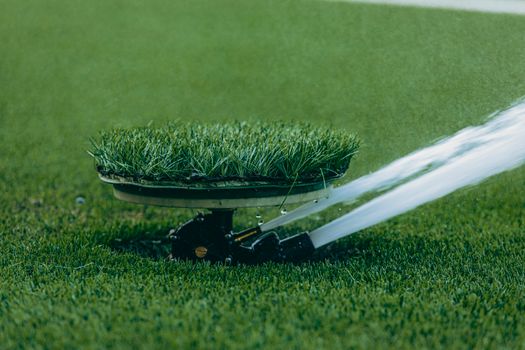
- Smart Irrigation Systems: Optimize outdoor water use based on weather conditions.
- Smart Faucet Systems: Enable touchless operation and precise water flow control.
Benefits of Retrofitting Your Water System
Retrofitting your home's water system with smart technology offers numerous advantages:
- Water Conservation: Reduce unnecessary water usage.
- Cost Savings: Lower water bills through efficient management.
- Increased Home Value: Modern features can enhance property appeal.
- Environmental Impact: Contribute to sustainable living.
Step-by-Step Guide to Retrofitting Your Water System
Now that you understand the benefits, let’s dive into a simple step-by-step guide on how to retrofit your home’s water system with smart technology.
Step 1: Assess Your Current Water System
Before you begin, it’s essential to evaluate your existing plumbing system. Check for:
- Old water meters
- Visible leaks
- Outdated fixtures
Identifying areas for improvement will help you make informed decisions during the retrofitting process.
Step 2: Choose Smart Devices
After assessing your system, choose the smart devices that will provide the most benefit. Consider the following options:
- Smart Water Meters: These devices provide real-time data on your water consumption.
- Leak Detection Sensors: Place these near potential leak sources, such as under sinks and near appliances.
- Smart Irrigation Systems: If you have a garden, these systems can adjust watering schedules based on rainfall.
- Smart Faucet Aerators: These can be installed on your existing faucets to reduce flow while maintaining performance.
For comprehensive plans and insights, you can refer to Ted Water System, which offers excellent resources for choosing the right technologies.
Step 3: Gather Basic Tools
Most retrofitting tasks require only basic tools. Gather the following:
- Adjustable wrench
- Screwdriver set
- Tape measure
- Utility knife
- Teflon tape
Having these tools on hand will make the installation process smoother.
Step 4: Install the Devices
Follow the manufacturer’s instructions for each device. Here’s a brief overview of the installation process for common devices:
Installing a Smart Water Meter
- Locate the main water line coming into your home.
- Shut off the water supply.
- Remove the old meter by loosening the fittings with your adjustable wrench.
- Install the new smart meter, ensuring it’s correctly oriented.
- Reconnect the fittings and turn the water supply back on.
Installing Leak Detection Sensors
- Choose locations near potential leak sources.
- Follow the setup instructions provided with the sensor.
- Connect the sensor to your home Wi-Fi network if required.
Installing Smart Irrigation Systems
- Replace your existing irrigation timer with the smart system.
- Connect the system to your home Wi-Fi.
- Set up watering schedules via the accompanying app.
Step 5: Monitor and Adjust Settings
After installation, it’s crucial to monitor the performance of your new devices. Use the accompanying apps to:
- Check water usage trends.
- Receive alerts for leaks.
- Adjust watering schedules based on weather forecasts.
Regularly review your water consumption data to identify further opportunities for conservation.
Conclusion
Retrofitting your home’s water system with smart technology is not only achievable but also beneficial for the environment and your wallet. By following these simple steps, you can transform your plumbing system into an efficient, modern setup that promotes water conservation.
Frequently Asked Questions
1. Do I need professional help to install smart water devices?
Most smart water devices are designed for easy installation and can often be completed with basic tools. However, if you’re uncomfortable with plumbing tasks, consider hiring a professional.
2. How much can I save on my water bill with smart water technology?
While savings vary by household usage, many users report reductions of 20-30% on their water bills after implementing smart technology.
3. Can I install smart water technology in an older home?
Yes! Smart water technology can be retrofitted into older homes, though some modifications may be necessary depending on the existing plumbing system.
📚 Related Articles
🔨 Want 16,000+ Water System Plans?
Get instant access to step-by-step plans with blueprints and cut lists.
Get Instant Access →