Introduction
In an age where water scarcity is becoming a pressing issue, setting up a smart water conservation system in your garden is not just beneficial; it's essential. Not only does it help in reducing water waste, but it also promotes healthier plant growth and can save you money on your water bill. However, there are common mistakes that many gardeners make when setting up these systems. This article will guide you on how to effectively set up a smart water conservation system while highlighting pitfalls to avoid and troubleshooting tips.
Understanding Smart Water Systems
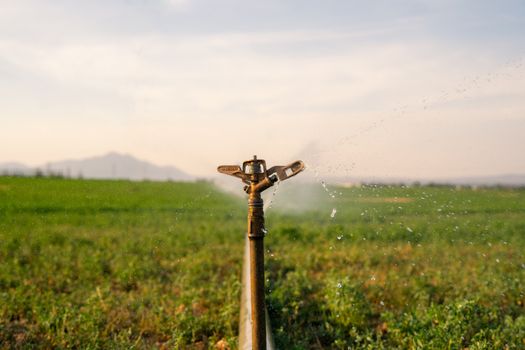
Smart water systems utilize technology to monitor soil moisture, weather conditions, and plant water needs to optimize watering schedules. By employing sensors and automated irrigation controls, you can ensure that your garden receives just the right amount of water it needs.
Benefits of a Smart Water Conservation System
- Water Efficiency: Reduces water waste by providing precise watering according to plant needs.
- Cost-Effective: Lowers water bills by minimizing excess water usage.
- Healthier Plants: Encourages healthy growth by preventing overwatering and underwatering.
- Environmental Impact: Contributes to sustainable gardening practices.
Common Mistakes to Avoid
Setting up a smart water conservation system may seem straightforward, but there are several common mistakes homeowners make that can lead to inefficiencies and frustration. Here are some key pitfalls to avoid:
1. Neglecting Soil Type
Different soil types absorb water differently. For example, sandy soils drain quickly, while clay soils retain moisture. Failing to account for your soil type can result in overwatering or underwatering.
Tip: Conduct a simple soil test to determine your soil type and adjust your watering schedule accordingly. If you're unsure, consider consulting resources like Ted Water System for detailed plans and advice.
2. Ignoring Plant Needs
Not all plants require the same amount of water. Some drought-resistant plants need far less water than others that thrive in wet conditions. Overlooking this can lead to plant stress or failure.
Tip: Research the specific watering needs of the plants in your garden and group similar plants together based on their moisture requirements.
3. Inadequate Sensor Placement
Improper placement of soil moisture sensors can lead to inaccurate readings. Sensors placed too close to other water sources or in areas that don’t represent the overall garden conditions can skew results.
Tip: Position your sensors in the middle of plant clusters away from direct sunlight and water sources, ensuring they accurately capture the soil moisture levels.
4. Overcomplicating the System
While it's tempting to integrate multiple technologies, overcomplicating your system can lead to confusion and maintenance headaches. A simple setup can often be just as effective.
Tip: Start with a basic smart watering system and expand as you become more comfortable and knowledgeable.
5. Neglecting Maintenance
Even the best systems require regular checks and maintenance. Clogged emitters, broken sensors, or outdated software can undermine your system's effectiveness.
Tip: Schedule routine checks of your system to clean sensors, replace batteries, and update software to ensure everything is functioning properly.
Troubleshooting Tips and Fixes
If you encounter issues with your smart water conservation system, here are some common problems and their solutions:
1. System Not Activating
If your irrigation system isn’t activating, check the following:
- Power supply: Ensure that the system is plugged in or that batteries are charged.
- Connectivity: Check if your Wi-Fi connection is stable, as many smart systems rely on internet access.
- Settings: Review the scheduling settings to ensure they are correctly programmed.
2. Inconsistent Watering
If your plants are receiving inconsistent amounts of water:
- Check sensors: Ensure that moisture sensors are functioning correctly and are not covered by debris.
- Inspect valves: Look for any blockages or leaks in the irrigation system.
- Review watering schedule: Adjust the watering frequency based on current weather conditions.
3. Overwatering or Underwatering
If you notice signs of overwatering (yellowing leaves, mold) or underwatering (wilting, brown edges):
- Reassess plant groupings: Ensure that similar water needs plants are grouped together.
- Adjust soil moisture thresholds: Modify the settings on your sensors to reflect accurate moisture levels.
- Consider seasonal changes: Be mindful of changing weather patterns and adjust schedules accordingly.
Conclusion
Setting up a smart water conservation system in your garden can significantly enhance water efficiency and improve plant health. By avoiding common pitfalls and employing troubleshooting tips, you can create a sustainable watering solution that meets the needs of your garden while conserving valuable water resources.
FAQ
1. How do I choose the right smart irrigation system for my garden?
Consider factors such as garden size, plant types, and specific features you desire, like weather-based scheduling or moisture sensors.
2. Can I automate my existing irrigation system?
Yes, many existing systems can be upgraded with smart controllers or moisture sensors to create a more efficient watering solution.
3. How often should I check my smart watering system?
Regular checks at least once a month or after significant weather changes are recommended to ensure everything is functioning properly.
📚 Related Articles
🔨 Want 16,000+ Water System Plans?
Get instant access to step-by-step plans with blueprints and cut lists.
Get Instant Access →