How to Choose the Right Smart Water Conservation System for Your Needs
Water conservation is becoming increasingly important as we face global water shortages. Smart water conservation systems are an excellent way to save water, reduce your bills, and contribute to sustainability. But with so many options available, how do you choose the right one for your needs? This guide will help you understand the basics and make an informed decision.
1. Assess Your Water Usage
Before diving into the world of smart water conservation systems, it’s crucial to understand your current water usage. Start by reviewing your water bills from the past few months. Look for patterns in your usage and identify areas where you can improve. Here are some questions to consider:
- What is your average monthly water consumption?
- Do you have a garden or landscaping that requires watering?
- How often do you do laundry or run the dishwasher?
2. Identify Your Goals
Once you have a clear picture of your water usage, it’s time to set your conservation goals. Do you want to reduce your overall water consumption by a specific percentage? Are you looking to save money on your water bill? Or maybe you want to increase the efficiency of your irrigation system? Identifying your goals will help you select a system that meets your needs.
3. Research Available Options
There are various types of smart water conservation systems available on the market. Here are some common options:
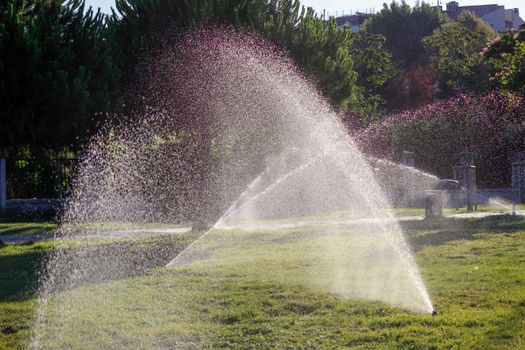
- Smart Irrigation Controllers: These devices adjust watering schedules based on weather conditions and soil moisture levels.
- Water Flow Sensors: These sensors monitor water usage in real-time, alerting you to leaks or excessive consumption.
- Smart Faucets and Showerheads: These fixtures can help reduce water flow while maintaining pressure.
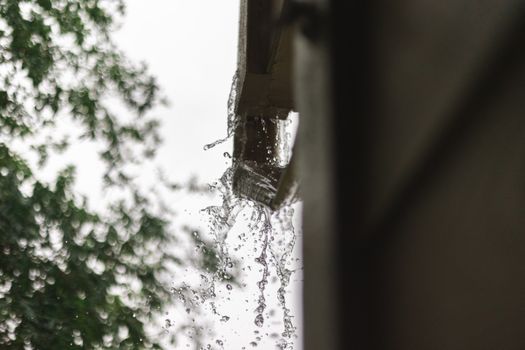
- Rainwater Harvesting Systems: These systems collect and store rainwater for reuse in your garden or home.
As you research, consider using resources like Ted Water System to find plans and ideas tailored to your needs.
4. Consider Your Home's Layout
Your home's layout and existing plumbing will play a significant role in determining which system will work best for you. For instance, if you have a large yard, a smart irrigation controller may be essential. Conversely, if you live in an apartment, you might focus on water-saving fixtures. Measuring your water lines and understanding your plumbing system can help you make the right choice.
5. Set a Budget
Smart water conservation systems come at various price points. Determine your budget before shopping, keeping in mind both the initial investment and potential long-term savings on your water bill. Look for systems that offer a good balance between features and affordability.
6. Check for Compatibility
Make sure that the smart water conservation system you choose is compatible with your existing plumbing and any smart home devices you may have. Some systems may require additional components or specific app compatibility. Always read the specifications and reviews before making a purchase.
7. Look for User-Friendly Features
Choose a system that is easy to use and set up. Look for features such as:
- Intuitive mobile apps for monitoring and control
- Automated scheduling capabilities
- Real-time alerts for leaks or unusual usage patterns
These features can save you time and make the system more effective.
8. Read Reviews and Ask for Recommendations
Before finalizing your decision, read customer reviews and ask friends or family for recommendations. Online reviews can provide insights into the reliability and effectiveness of different systems. Additionally, consider joining local community forums or groups focused on water conservation for personalized advice.
9. Installation and Maintenance
Some systems may require professional installation, while others can be easily installed by homeowners. Review the installation instructions carefully and determine if you have the necessary tools and skills. Regular maintenance is also essential for optimal performance, so choose a system that offers straightforward upkeep.
10. Monitor and Adjust
After installing your smart water conservation system, monitor its performance and make adjustments as necessary. Check for leaks, assess your water savings, and tweak settings to meet your conservation goals effectively. Remember, water conservation is an ongoing process that requires your attention and effort.
Conclusion
Choosing the right smart water conservation system can significantly impact your water usage, bills, and environmental footprint. By assessing your needs, setting goals, and researching options, you can find a solution that works for your home and lifestyle. Remember to utilize resources like Ted Water System for additional planning ideas. Happy conserving!
FAQ
1. What is a smart water conservation system?
A smart water conservation system uses technology to monitor and manage water usage efficiently, often integrating with your smartphone for real-time data and control.
2. How much can I save with a smart water conservation system?
On average, homeowners can save anywhere from 10% to 30% on their water bills, depending on the system and their previous water usage.
3. Do I need a professional to install a smart water conservation system?
It depends on the system. Some can be easily installed by homeowners, while others might require professional installation for optimal performance.
📚 Related Articles
🔨 Want 16,000+ Water System Plans?
Get instant access to step-by-step plans with blueprints and cut lists.
Get Instant Access →