Introduction
As urban areas continue to grow, the demand for water is at an all-time high. This makes water conservation not just an option, but a necessity. One of the innovative solutions to this pressing issue is the implementation of smart water boxes. In this article, we will explore what smart water boxes are, their role in urban water conservation, and how they can be effectively utilized in your community.
What are Smart Water Boxes?
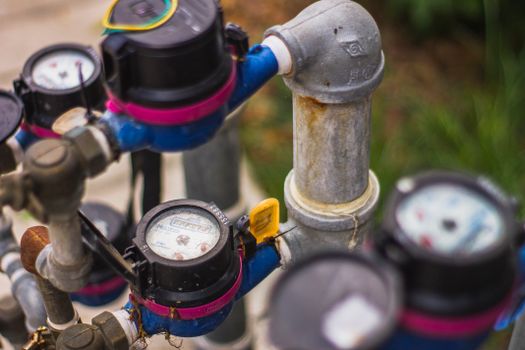
Smart water boxes are advanced systems designed to manage and conserve water in urban settings. They integrate technology, such as sensors and data analytics, to monitor water usage and optimize distribution. These systems are crucial in reducing water wastage, ensuring that every drop counts.
The Role of Smart Water Boxes in Urban Water Conservation
Smart water boxes play several vital roles in urban water conservation:
- Real-Time Monitoring: They provide real-time data on water usage, allowing municipalities to identify leaks and inefficiencies immediately.
- Data-Driven Decisions: The data collected helps city planners and water management teams make informed decisions regarding water distribution and conservation efforts.
- Customer Engagement: Smart water boxes can connect with consumers, providing them with insights into their water usage patterns, encouraging responsible consumption.
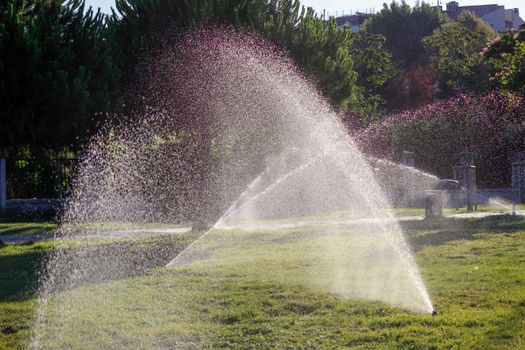
- Automated Control: They offer automated control over irrigation systems, ensuring that plants are watered efficiently without excess.
Benefits of Implementing Smart Water Boxes
There are numerous benefits to utilizing smart water boxes in urban settings:
- Reduced Water Waste: By identifying leaks and inefficiencies, these systems help decrease unnecessary water loss.
- Improved Water Quality: Smart water boxes can monitor the quality of water, ensuring that it meets safety standards.
- Cost Savings: Reducing water waste leads to lower water bills for consumers and less strain on municipal resources.
- Enhanced Sustainability: These systems support sustainable urban development by promoting efficient water use.
How to Implement Smart Water Boxes in Your Community
Implementing smart water boxes in your community can be a straightforward process. Here’s a step-by-step guide to get you started:
Step 1: Assess the Need
Begin by assessing the current water usage and conservation efforts in your community. Identify areas where water is being wasted or where demand exceeds supply.
Step 2: Research Available Technologies
Look into various smart water box technologies available. Consider factors such as:
- Cost
- Ease of installation
- Integration capabilities with existing systems
- Customer support and service
Step 3: Engage Stakeholders
Involve local government, community leaders, and residents in the planning process. Their input is valuable for understanding the community's specific needs and gaining support for the project.
Step 4: Develop a Plan
Create a comprehensive plan outlining:
- Objectives of implementing smart water boxes
- Budget and funding sources
- Timeline for implementation
- Maintenance strategy
Step 5: Pilot Program
Consider starting with a pilot program in a small section of your community. This will allow you to test the system, gather data, and make necessary adjustments before a full rollout.
Step 6: Monitor and Evaluate
Once the smart water boxes are in place, monitor their performance regularly. Use the data collected to evaluate their effectiveness in reducing water usage and enhancing conservation efforts.
Resources for Further Information
If you're looking for detailed plans and insights on implementing smart water boxes, consider exploring Ted Water System. Their resources provide a wealth of information on modern water management solutions.
Conclusion
Smart water boxes are an essential tool for urban water conservation, offering innovative solutions to manage and reduce water usage. By understanding their roles and benefits, communities can take significant steps toward a more sustainable future.
FAQ
1. How do smart water boxes work?
Smart water boxes use sensors to monitor water usage and quality, sending real-time data to users and municipalities. This information helps identify leaks and inefficiencies.
2. Are smart water boxes expensive to install?
While the initial investment can be significant, the long-term savings from reduced water waste typically outweigh the costs.
3. Can residents access data from smart water boxes?
Yes, many smart water boxes provide users with access to their water usage data, helping them manage their consumption effectively.
📚 Related Articles
🔨 Want 16,000+ Water System Plans?
Get instant access to step-by-step plans with blueprints and cut lists.
Get Instant Access →