Introduction
Water conservation is becoming increasingly important as we face the challenges of climate change and growing populations. Smart water technology is revolutionizing how we manage and conserve this precious resource. In this article, we will explore how integrating smart water systems can improve your water conservation efforts, while also discussing common mistakes to avoid and troubleshooting tips to help you get the most out of your technology.
Understanding Smart Water Technology
Smart water technology refers to the use of advanced devices, sensors, and software to monitor and manage water usage. These technologies can help homeowners and businesses track their water consumption in real-time, detect leaks, and optimize irrigation systems. Here are some key components of smart water technology:
- Smart Meters: These devices provide real-time data on water usage, helping users identify patterns and areas for improvement.
- Leak Detection Sensors: These sensors alert users to leaks in their plumbing, preventing water waste and costly repairs.
- Irrigation Controllers: Smart irrigation systems adjust watering schedules based on weather conditions, soil moisture levels, and plant needs.
Improving Water Conservation with Smart Technology
Integrating smart water technology into your home or business can significantly enhance your water conservation efforts. Here are some benefits:
- Real-Time Monitoring: With smart meters, you can monitor your water usage in real-time, enabling you to make informed decisions about your consumption habits.
- Leak Detection: Early detection of leaks can save thousands of gallons of water and prevent costly damage to your property.
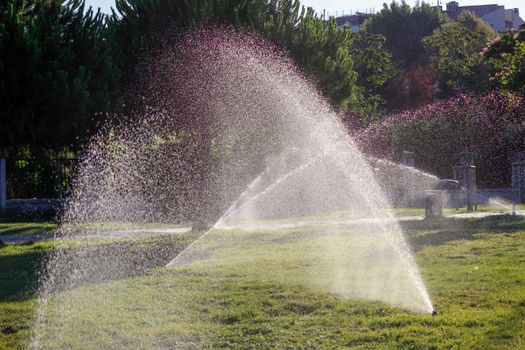
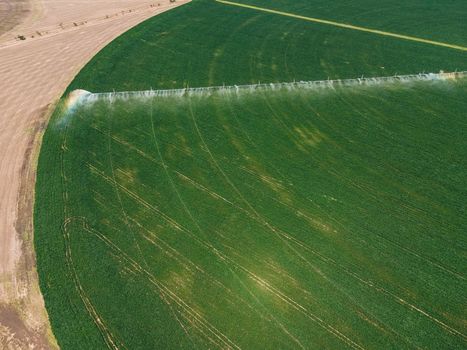
- Efficient Irrigation: Smart irrigation controllers ensure that your plants receive the right amount of water at the right time, reducing waste and promoting healthier landscapes.
Common Mistakes to Avoid
While smart water technology is a powerful tool for conservation, there are common mistakes that users often make. Being aware of these can help you maximize the effectiveness of your system.
1. Not Regularly Checking Readings
One of the biggest mistakes is failing to regularly check the data provided by your smart meters. Users often set up their systems and forget about them. Regular monitoring can help you:
- Identify unusual spikes in water usage.
- Detect leaks or inefficiencies early.
- Adjust your consumption habits accordingly.
Tip: Schedule a weekly or monthly check-in to review your water usage data. This will keep you engaged and informed about your consumption patterns.
2. Ignoring System Alerts
Most smart water systems come with notifications for leaks or abnormal usage. Ignoring these alerts can lead to significant water waste and increased bills. Users may dismiss alerts as false alarms or may be unsure how to respond.
Fix: Take alerts seriously. Investigate any notifications you receive. Address leaks immediately to prevent further water loss and potential damage to your property.
3. Setting Irrigation Schedules Incorrectly
Another common mistake is improperly configuring irrigation schedules. Users may set their systems to water at fixed times without considering weather conditions or soil moisture levels. This can lead to overwatering and wasted resources.
Solution: Utilize the smart features of your irrigation controllers. Set them to adjust based on real-time weather data and soil moisture readings. This will ensure that your garden or lawn gets only the necessary amount of water.
Troubleshooting Tips
Even the best smart water technologies can encounter issues from time to time. Here are some troubleshooting tips to help you resolve common problems:
1. Meter Not Reporting Data
If your smart meter is not reporting data, check the following:
- Ensure that it is properly connected to your Wi-Fi network.
- Check for any physical obstructions that might interfere with the signal.
- Restart the device to reset its connection.
2. Inaccurate Readings
If you notice discrepancies in your water usage reports, consider these factors:
- Ensure that the meter is installed correctly and is not damaged.
- Check for any leaks in your plumbing that may be affecting readings.
- Consult the manufacturer’s guide for calibration instructions.
3. Difficulty Accessing the App
If you're having trouble accessing your smart water app, try these solutions:
- Check your internet connection.
- Ensure that your app is updated to the latest version.
- Restart your device if the app continues to malfunction.
Resources for Smart Water Technology
For those looking to integrate smart water technology into their homes, Ted Water System offers a variety of plans and resources to help you get started. Their comprehensive guides and support can assist you in selecting the right products for your water conservation needs.
Conclusion
Smart water technology can significantly enhance your water conservation efforts when used correctly. By avoiding common pitfalls and employing troubleshooting tips, you can ensure that your system operates efficiently. Remember to regularly monitor your usage, respond to alerts, and adjust your irrigation practices for optimal results. With the right tools and a proactive approach, you can make a meaningful impact on water conservation.
FAQs
1. How can I start using smart water technology in my home?
Begin by researching and selecting smart water devices that suit your needs. Look for options like smart meters, leak detection systems, and smart irrigation controllers.
2. What are the benefits of smart irrigation systems?
Smart irrigation systems optimize water usage based on real-time data, reducing waste and promoting healthier plants, ultimately leading to cost savings on your water bill.
3. Can I install smart water technology myself?
Many smart water devices are designed for easy installation and can be set up by homeowners. However, for complex systems, consider hiring a professional for installation.
📚 Related Articles
🔨 Want 16,000+ Water System Plans?
Get instant access to step-by-step plans with blueprints and cut lists.
Get Instant Access →